Overview of Guided Walks in Scotland
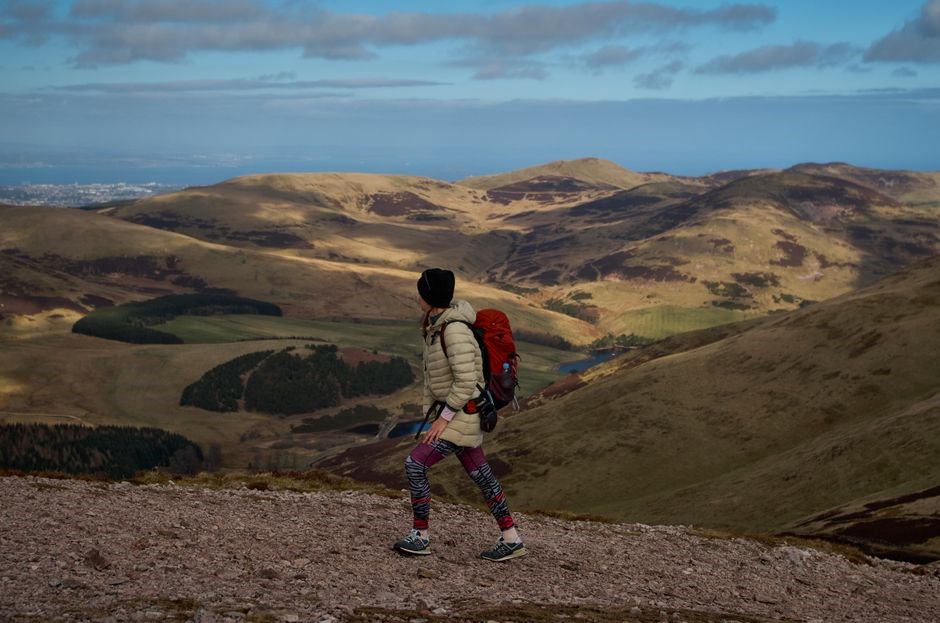
Guided walks in Scotland offer diverse experiences, from day trips to multi‑day treks across the Highlands and Islands. Operators like McKenzie Mountaineering and Backroads provide small‑group hikes, often with minibus pick‑ups from major cities, ensuring safety and accessibility for all levels. Explore now.
Types of Guided Walks (Day Trips, Multi‑Day, Minibus, Small Groups)
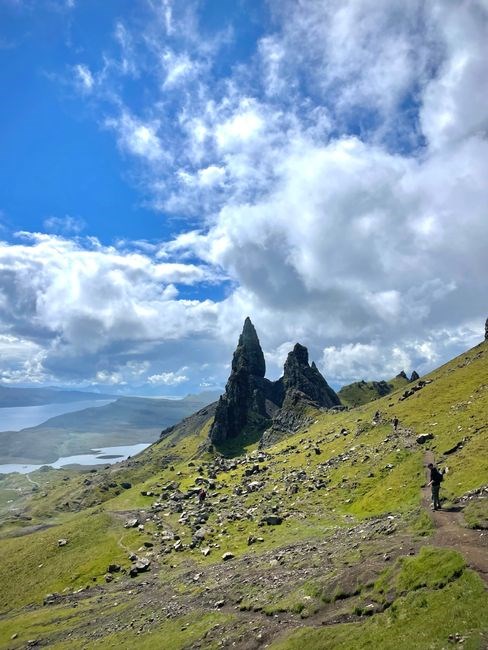
Scotland’s guided walks offer a spectrum of formats tailored to diverse interests, fitness levels, and time constraints. Day‑trip routes typically cover 4–8 hours, enabling participants to explore iconic scenery—such as the dramatic cliffs of Skye or the mist‑shrouded lochs of the Highlands—without overnight stays. These itineraries start and finish at central hubs, making them ideal for travelers with limited time or those who prefer a single‑day adventure.
Multi‑day excursions extend the experience, usually ranging from two to seven nights. They combine trekking, cultural immersion, and accommodation in bothy shelters or modest lodges, offering a deeper connection to Scotland’s varied terrains. Guides carefully plan daily distances to balance challenge with recovery, ensuring participants can fully appreciate the landscape’s breadth—from rugged mountain passes to serene coastal walks.
Minibus‑led tours provide a convenient entry point, especially for groups departing from Edinburgh, Glasgow, or Stirling. The vehicle drops participants at trailheads, reducing logistical burdens and allowing walkers to focus entirely on the route. These tours are popular for exploring remote or less‑visited locations, such as the Orkney archipelago or the western Hebrides, where access by public transport is limited.
Small‑group formats, capped at eight walkers, prioritize safety, personalized instruction, and camaraderie. Guides can tailor pacing, offer detailed historical anecdotes, and adjust routes in response to weather or trail conditions. This intimate setting is favored by solo travelers, couples, or families who value a supportive environment while tackling Scotland’s challenging landscapes, ensuring each participant feels connected and secure throughout the journey.
Key Organizations (McKenzie Mountaineering, HF Holidays, Backroads)
McKenzie Mountaineering, founded in 1975, is a cornerstone of Scottish walking culture. Base in Ullapool launches day‑trips and multi‑day treks across the Highlands, Islands, and Canaries. Guides ensure safety on steep ascents. The company blends environmental stewardship with storytelling, offering itineraries that highlight geological wonders, clan histories, and local cuisine. Small‑group policy—typically no more than eight walkers—fosters close interaction, allowing participants to learn navigation, first‑aid basics, and Scottish weather nuances. They also sell essential gear, from crampons to waterproof jackets, via their Ullapool shop.
HF Holidays, a UK member‑owned cooperative, specializes in inclusive walking experiences that cater to both seasoned trekkers and newcomers. Their West Highland Way tours are particularly popular, featuring a blend of cultural sites, such as the historic Inveraray Castle, and natural highlights like the loch‑filled valleys of Glencoe. HF Holidays emphasizes sustainable tourism, partnering with local communities to support conservation projects and promote responsible trail use. Their itineraries often include overnight stays in locally owned B&Bs or eco‑lodges, giving travelers a chance to engage with regional hospitality and learn about traditional Scottish crafts. Guides are trained in group dynamics and safety protocols, ensuring that even solo travelers feel comfortable navigating the trail’s challenges.
Backroads Adventure Travel offers a more adventurous edge, focusing on rugged, off‑the‑beaten paths that appeal to the thrill‑seeker. Their Inverness‑to‑Skye walking tour, for example, traverses mist‑shrouded peaks, ancient stone circles, and the dramatic coastline of the Outer Hebrides. Backroads’ itineraries are designed for experienced walkers, with daily distances ranging from 12 to 18 miles, and they incorporate optional mountaineering or kayaking segments for those seeking an extra challenge. The company’s commitment to environmental responsibility is evident in their “Leave No Trace” policy, which includes waste‑free campsites and the use of renewable energy sources at accommodation sites. Backroads also offers a range of support services, such as pre‑trip briefings, in‑trip medical assistance, and post‑tour debriefs, ensuring a comprehensive and safe experience for all participants.
Popular Guided Walking Destinations
Scotland’s guided walks feature Highlands and islands. Skye’s Cuillin ridge, Orkney’s stone circles, and Hebrides’ misty coastlines attract trekkers. Minibus tours from Edinburgh, Glasgow, or Stirling lead to hidden valleys. Join the adventure Trek. Now! Explore!
Highlands and Islands (Skye, Orkney, Hebrides)
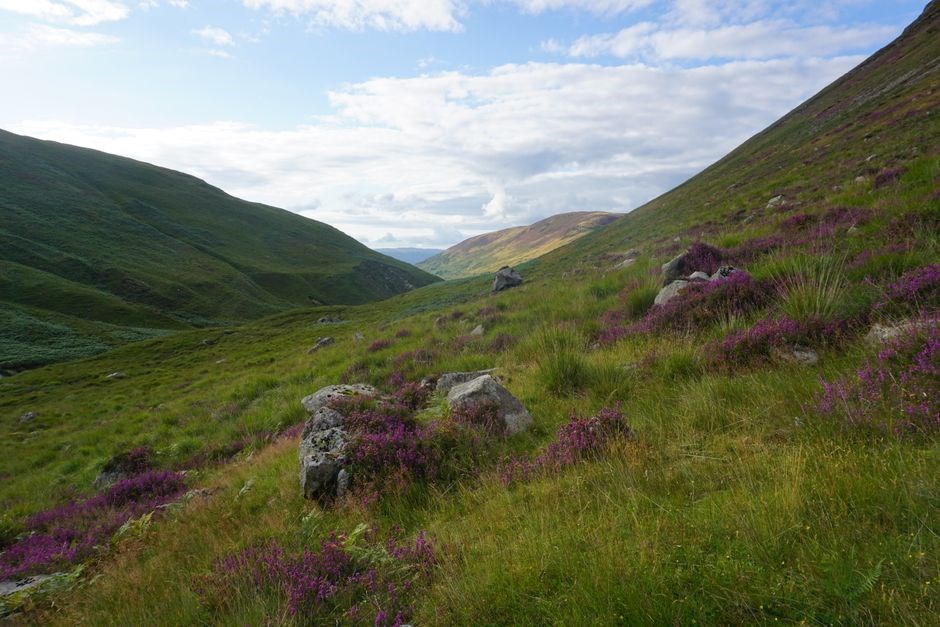
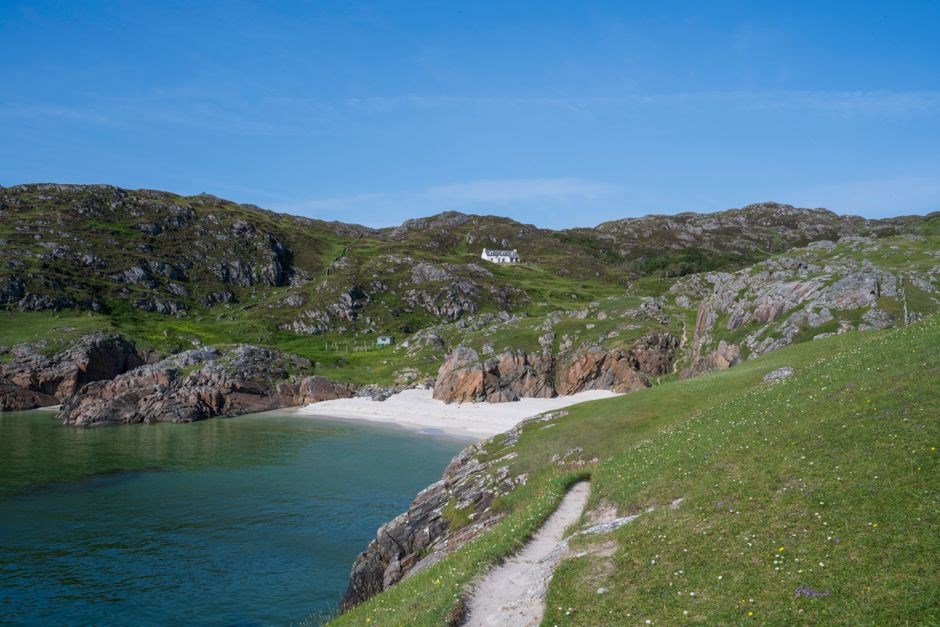
Guided walks across Scotland’s Highlands and islands immerse participants in rugged beauty and cultural heritage. On Skye, experienced guides lead groups through the Cuillin range, offering panoramic views of the Old Man of Storr, the Quiraing, and the Fairy Pools. The terrain ranges from steep granite ridges to misty lochs, demanding a mix of endurance and technical skill. Participants learn navigation, weather assessment, and Leave‑No‑Trace principles while enjoying the island’s dramatic scenery. In Orkney, tours focus on ancient stone circles such as the Ring of Brodgar and the Standing Stones of Stenness, set against rolling hills and coastal cliffs. Guides share insights into Neolithic culture, local folklore, and the region’s unique geology, while visits to the Orkney Heritage Centre reveal Viking artifacts and history. The Hebrides offer contrasting experiences, with hikes on neighboring islands like Harris and Lewis, winding through heather‑clad moorlands, dramatic sea cliffs, and ancient burial mounds. Guides emphasize preserving fragile ecosystems and advise staying safe in remote areas, often including overnight stays in bothies or eco‑lodges. All tours are led by qualified mountain guides who tailor routes to group fitness, blending challenge with scenic detours. Whether seeking highland climbs, ancient mysteries, or serene island landscapes, guided walks in the Highlands and islands provide unforgettable adventures. These journeys showcase Scotland’s natural splendor, foster community, growth, and lasting memories for all participants together now !
Less Visited Wild Locations (Minibus Tours from Edinburgh/Glasgow/Stirling)
Minibus‑led guided walks from Edinburgh, Glasgow, and Stirling open Scotland’s hidden wilds, far from the usual tourist trail. Small groups—no more than eight—venture into remote valleys, craggy moorlands, and secluded lochs untouched by mass tourism. Certified mountain guides tailor routes to the group’s fitness, ensuring safe navigation through uneven terrain, boggy patches, and steep ascents. The itineraries weave through ancient forest glades, where pine resin fills the air and distant waterfalls echo. Hikers encounter rare flora such as Scottish heather, moss‑covered stone circles, and the elusive Scottish wildcat. Wildlife observation highlights red deer, golden eagles, and misty‑morning otters along riverbanks. Tours emphasize Leave‑No‑Trace ethics, teaching hikers to pack out waste, respect bothies, and minimize impact on fragile ecosystems. Overnight stays in local bothies or eco‑lodges provide simple meals around a fire, fostering camaraderie. The minibus pick‑up and drop‑off system eliminates personal transport, reducing carbon footprints and letting hikers focus on the experience. These walks suit those seeking solitude, natural beauty, and a deeper connection to Scotland’s less‑visited wild landscapes, all while enjoying professional guidance. Guides visit remote archaeological sites—standing stones, burial cairns—linking past and present. Safety protocols include first‑aid kits, satellite phones, and weather‑proof gear, with guides maintaining constant communication. Participants receive briefings on route maps, expected weather, and gear, fostering preparedness. Choosing a minibus tour supports local economies, as guides source food and supplies from nearby villages, promoting sustainable tourism. Whether seasoned or novice, these guided walks provide an immersive, low‑impact adventure into Scotland’s wild heart, revealing landscapes largely unspoiled and inviting exploration responsibly. Routes are weather‑checked daily for safety!!
Organizing Guided Walks: Practicalities
Planning a guided walk involves booking a minibus from Edinburgh or Glasgow, hiring a qualified guide, and arranging bothy or lodge stays. Check weather, pack gear, confirm group limits, and follow safety briefings and leave‑no‑trace rules and check guide ID
Transportation and Pick‑up (Minibus from Major Cities)
When arranging a guided walk in Scotland, the first logistical step is securing reliable transportation. Most tour operators, such as McKenzie Mountaineering and Backroads, offer dedicated minibus services that depart from key urban hubs—Edinburgh, Glasgow, and Stirling—at scheduled times. The minibuses are equipped with comfortable seating, climate control, and ample luggage space, ensuring that participants arrive refreshed and ready for the day’s itinerary. Pick‑up points are typically located at central bus stations or designated drop‑off zones, and operators provide clear signage and staff assistance to facilitate smooth boarding. For groups traveling from remote locations, some operators offer pre‑arranged shuttle services to the nearest major city, allowing participants to consolidate travel and reduce individual transport costs. The minibuses also serve as mobile information hubs; guides often use the vehicle’s interior to brief the group on safety protocols, trail maps, and weather forecasts before the walk commences. Additionally, many tours include a return trip to the departure city, allowing participants to avoid the hassle of arranging separate transport home. This end‑to‑end service model not only enhances convenience but also promotes safety, as the guide remains in close proximity to the group throughout the journey. For those who prefer a more flexible schedule, private minibus charters are available, albeit at a higher cost. In all cases, operators emphasize the importance of confirming pick‑up times in advance, especially during peak tourist seasons or inclement weather, to prevent delays and ensure a seamless experience. By integrating reliable minibus transport into the guided walk framework, tour operators provide a hassle‑free, secure, and enjoyable adventure that lets participants focus entirely on the natural beauty and cultural richness of Scotland’s landscapes.
Accommodation Options (Bothies, Mountain Bothies Association, Walk Highlands)
When planning a multi‑day guided walk, choosing the right overnight base is crucial. Scotland’s network of bothies offers free, basic shelter in remote areas, ideal for budget‑conscious trekkers. The Mountain Bothies Association maintains a comprehensive database, listing location, access routes, and seasonal conditions, ensuring safety and compliance with local regulations. For those seeking a bit more comfort, Walk Highlands provides curated itineraries that pair bothies with nearby guesthouses, B&Bs, or eco‑lodges, allowing travelers to experience the wilderness while enjoying modern amenities. Many tour operators incorporate both types of accommodation into their packages, offering flexible options: a day‑trip may end at a nearby B&B, whereas a week‑long trek could involve nightly stays at a bothy, followed by a short drive to a cozy inn on the final day. Operators also advise on essential gear—sleeping bags, stove, and waterproof clothing—to maximize comfort in the often unpredictable Scottish weather. By leveraging the Mountain Bothies Association’s resources and Walk Highlands’ curated listings, guides can tailor accommodation plans to match group size, skill level, and budget, ensuring a safe, memorable, and sustainable walking experience.
Guides emphasize leaving no trace, respecting wildlife, and sharing local lore, ensuring that each trek not only showcases Scotland’s rugged beauty but preserves its ecosystems for future generations!!
Guided Walks for Specific Interests
Explore themed walks: Celtic heritage trails, West Highland Way history, wildlife spotting, and scenic landscapes. Guides tailor routes to your passion, offering expert commentary, safety, and local insights. Join small groups for immersive, memorable adventures. Ideal for solo or family, these walks blend adventure
Historical and Cultural Walks (Celtic Sites, West Highland Way)
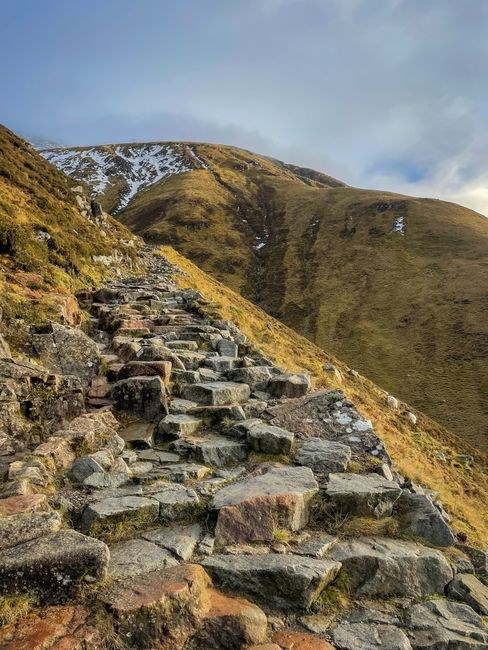
For history buffs, guided walks spotlight Scotland’s Celtic heritage and the iconic West Highland Way. Experienced guides from McKenzie Mountaineering or HF Holidays lead small groups—up to eight participants—through ancient stone circles, crannogs, and battle‑field sites that tell stories of the Picts, Vikings, and the Highland clans. The West Highland Way, a 268‑mile route from Milngavie to Fort William, offers guided sections that weave in tales of the Jacobite uprisings, the Highland Clearances, and the legendary “Loch Ness” folklore. Guides provide contextual narratives, pointing out linguistic traces in place names, architectural styles of old churches, and the significance of the “Celtic Cross” carvings found along the trail. Small‑group settings ensure intimate engagement, allowing participants to ask questions and share reflections. Safety is paramount; all tours include pre‑walk briefings, route maps, and emergency protocols. Minibus pickups from Edinburgh, Glasgow, or Stirling make the experience accessible, while the guided nature of the walk allows travelers to focus on the cultural tapestry without logistical concerns. Whether you’re tracing the footsteps of early settlers or following the footsteps of modern explorers, these walks offer a deep dive into Scotland’s rich past and vibrant present. Each guided trek is carefully curated to weave archaeological insights, folklore, and contemporary cultural practices into a cohesive narrative. Participants often leave with a deeper appreciation for the region’s linguistic heritage, the resilience of its communities, and the enduring spirit that shapes Scotland’s identity. Moreover, guides frequently incorporate local music, storytelling sessions, and visits to heritage sites, ensuring that every step resonates with history and culture.
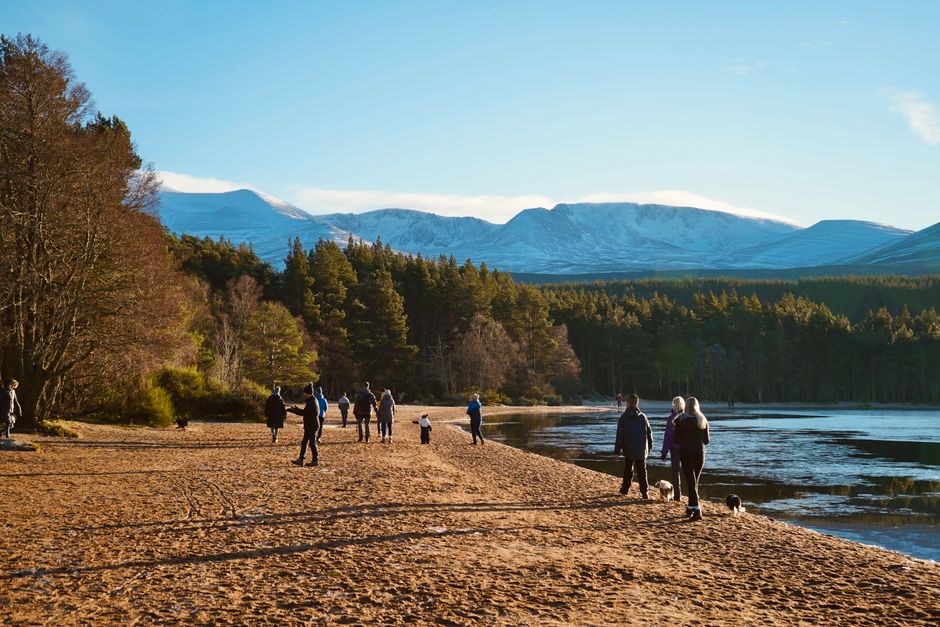
Guided nature walks in Scotland immerse participants in the country’s diverse ecosystems, from mist‑shrouded lochs to rugged highland moorlands. Operators such as Backroads Adventure Travel and McKenzie Mountaineering design routes that highlight native species—red deer, golden eagles, otters, and rare alpine flowers—while ensuring minimal environmental impact. Small groups, capped at eight, allow intimate observation and expert commentary on ecological patterns, seasonal migrations, and conservation efforts. Guided tours often begin with a briefing on local flora, including the significance of heather, mosses, and lichens in shaping the landscape. Walks may include visits to designated wildlife reserves, where trained guides point out nesting sites of golden eagles, the elusive Scottish wildcat, and the iconic red squirrel. In the Highlands, routes may traverse the Cairngorms, offering panoramic views of glacial valleys and the chance to spot the rare alpine ibex. On the islands, guided hikes to the Outer Hebrides reveal seabird colonies, such as puffins and guillemots, nesting on cliff faces. Guides emphasize the importance of staying on marked paths, respecting wildlife habitats, and adhering to “leave no trace” principles. Many tours incorporate bird‑watching stations, binoculars, and field guides, enabling participants to record sightings and learn identification skills. Additionally, guided walks often feature storytelling about local folklore tied to natural landmarks—such as the legend of the “Giant’s Causeway” on the Isle of Skye—and how these narratives intertwine with the region’s ecological history. Participants often share their own wildlife encounters, creating a living archive that enriches future walks and fosters a community of nature stewards. Together inspire!!
Choosing the Right Guide or Tour Operator
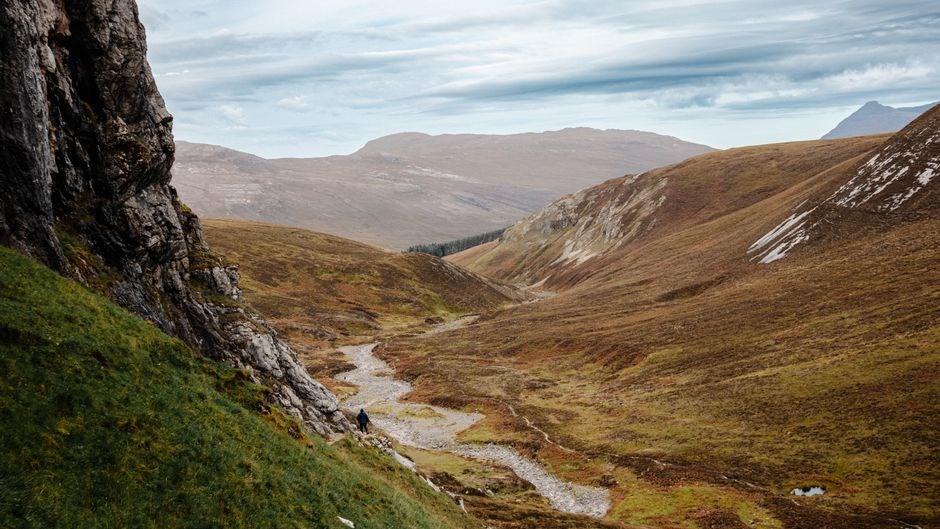
Opt for certified mountain guides, check credentials, and ensure small groups (≤8) for safety. Operators like McKenzie Mountaineering and HF Holidays offer day and multi‑day walks. Verify transport, accommodation, wildlife‑friendly policies before booking.
Choosing a Qualified Mountain Guide
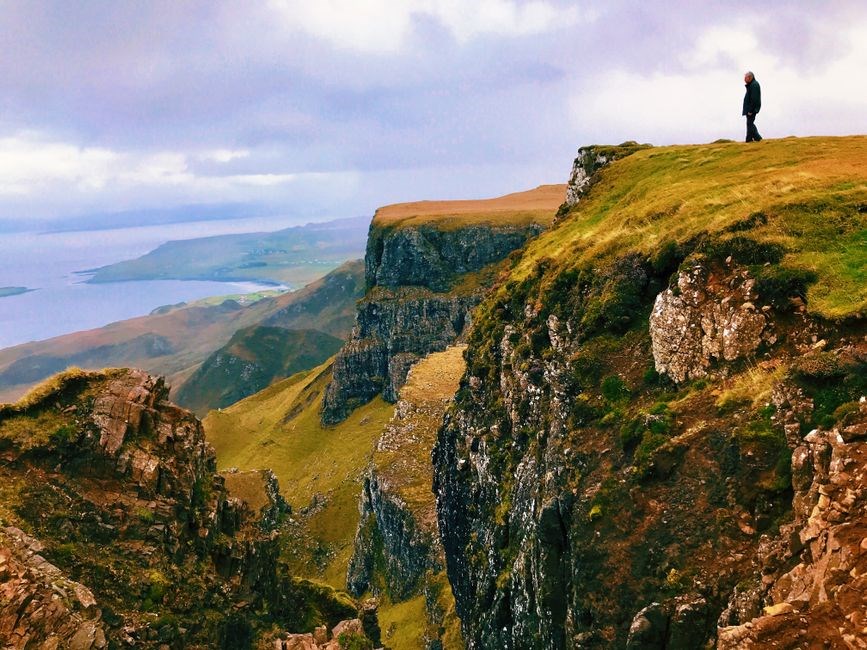
Choosing a qualified mountain guide is essential for a safe and Scottish walk. Look for guides who hold formal certifications such as the BMC Mountain Guide qualification or equivalent credentials from recognised bodies. Operators like McKenzie Mountaineering and HF Holidays display these qualifications on their websites, showing that their leaders have completed rigorous training in navigation, first aid, and risk assessment. A qualified guide should be adept at reading topographic maps, interpreting weather forecasts, and making real‑time decisions about route changes or emergency responses. They must also be familiar with local regulations, including those governing the use of bothies and the Mountain Bothies Association’s guidelines, ensuring that any overnight stays are legal and safe. Additionally, a good guide will use the Walk Highlands database to plan routes, balancing challenge with accessibility, and coordinate practical details such as minibus pick‑ups from major cities like Edinburgh, Glasgow or Stirling. This logistical support allows participants to focus entirely on the trail. Before booking, check references or reviews from past clients to confirm the guide’s professionalism safety! Always verify the guide’s registration, insurance, and track record before booking. Guides also provide detailed briefings on weather patterns, navigation techniques, and emergency protocols, ensuring that every participant, regardless of experience level, feels confident and prepared for the challenges of the Scottish terrain. guides are licensed and insured UK.
Group Size and Safety (Small Groups Up to 8)
Small groups, typically no more than eight participants, are the standard for guided walks in Scotland. This size allows a qualified guide to maintain close contact with each walker, ensuring that everyone stays on the correct path, receives timely advice, and can respond quickly if a trail becomes hazardous. The intimacy of a small group also encourages camaraderie and shared learning, as participants can observe each other’s techniques and share insights about the terrain, wildlife, and local history. Guides can tailor the pace to match the group’s fitness level, making the walk accessible to beginners while still challenging seasoned hikers. Safety protocols are easier to enforce in a small group: the guide can monitor weather changes, assess trail conditions, and make real‑time decisions about detours or early returns. In addition, small groups reduce the logistical footprint on remote paths, helping to preserve fragile ecosystems and comply with regulations on bothy usage and trail maintenance. By keeping the group size limited, operators such as McKenzie Mountaineering, HF Holidays, and Backroads can guarantee that each participant receives personalized attention, that emergency procedures are clear, and that the overall experience remains safe and enjoyable for all.
Participants also benefit from the guide’s first‑aid expertise, ensuring swift medical responses. The guide’s local knowledge of weather and terrain boosts confidence, making the walk safer and more enjoyable.!!